

inner self : ค้นหาหนังสือธรรมะ
หน้าหนังสือทั้งหมด
60
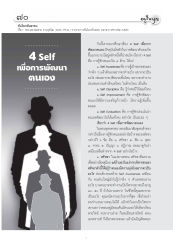
4 Self เพื่อการพัฒนาตนเอง
๗๐
ทันโลกทันธรรม
เรื่อง : พระมหาสมชาย ฐานวุฑโฒ (M.D., Ph.D.) จากรายการทันโลกทันธรรม ออกอากาศทางช่อง DMC
4 Self
เพื่อการพัฒนา
ตนเอง
อยู่ให
วันนี้เราจะมาศึกษาเรื่อง 4 Self เพื่อการ
พัฒนาตนเอง ปัจจุบันมี
เรื่อง : พระมหาสมชาย ฐานวุฑโฒ (M.D., Ph.D.) จากรายการทันโลกทันธรรม ออกอากาศทางช่อง DMC 4 Self เพื่อการพัฒนา ตนเอง อยู่ให วันนี้เราจะมาศึกษาเรื่อง 4 Self เพื่อการ พัฒนาตนเอง ปัจจุบันมีหลักในการพัฒนาตัว

120
การสนทนาเกี่ยวกับอนัตตา
สนทนาธรรมยามว่าง ดวงธรรม
NOT-SELF - THE
DISTINCTIVE BUDDHIST
TEACHING
Tom : When talking about the Three Common
Characteristics of existence, I think that the first
two are not too hard for me.
But th
สนทนาธรรมยามว่าง ดวงธรรม NOT-SELF - THE DISTINCTIVE BUDDHIST TEACHING Tom : When talking about the Three Common Characteristics of existence, I think that the first two are not too hard for me. But th
46
Mindfulness Practices in Buddhism
1. mindfulness of the body [kāyunupassanāsatipaṭṭhāna]: Continuously seeing and knowing the body in the body — that is to see and know the subtle inner bodies that lie hidden within our physical body:
This text delves into the four foundations of mindfulness (satipaṭṭhāna) in Buddhism. It teaches practitioners to continuously observe the body, feelings, the mind, and mental phenomena. 'Mindfulness

121
องค์ประกอบของบุคคลตามหลักพระพุทธศาสนา
because in the Buddhist analysis of personal
experience, a human being is composed of five
aggregates : form, sensation, perceptions, mental
formations, and consciousness.
From this analysis the self
because in the Buddhist analysis of personal experience, a human being is composed of five aggregates : form, sensation, perceptions, mental formations, and consciousness. From this analysis the self
24
Dhamma for Laypersons and the Four Levels of Beauty
A person who has the Dhamma for Laypersons
(Gharāvās-dhamma) must display four regular habits:
1. Habit of Responsibility – Whatever the task at hand, he must do it to the best of his ability, in t
A person who follows the Dhamma for Laypersons exhibits four habits: responsibility, self-training, endurance, and sacrifice. These traits ensure self-reliance and leadership within families. In marri
112
Understanding Inner Dhamma
Inner Dhamma
We used to perceive that the inner Dhamma was something profound and difficult to attain, that one had to put in an immense amount of effort and had to do it in a remote place in order to
Inner Dhamma was once seen as a profound, difficult achievement requiring immense effort in isolation. However, it is now understood that maintaining an alert, relaxed, and still mind allows access to
198
Adapting Teaching Practices Through the Middle Way
how to adapt the teaching for our personal practice. How-ever, if we look at how Luang Phaw Wat Paknam explained these same words, compiled from sermons he gave on many occasions:
SECTION 2: THE MIDDL
In this exploration of the Middle Way as explained by Luang Phaw Wat Paknam, we learn about its significance in achieving insight and reality perception. The Buddha emphasizes the importance of the 'i
11
Unlocking the Inner Light: A Path to Enlightenment
Certainly! Here is the extracted text from the image:
---
**Introduction**
defiled minds. We see our fellow human beings as enemies because of our defined minds. Because of defilements we have feel
This text discusses the importance of meditation in unveiling the true nature of existence. It identifies defilements as the true enemy of humankind, leading to negative emotions such as sadness and a
368
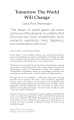
Tomorrow The World Will Change
Tomorrow The World
Will Change
Luang Phaw Dhammajayo
"The dream of world peace will never
come true if the dreamer is unable to find
his or her own inner contentment. Once
everyone experience inner ha
In 'Tomorrow The World Will Change,' Luang Phaw Dhammajayo presents a hopeful perspective on achieving world peace through individual inner contentment. He emphasizes that true peace begins when each
55
Pearls of Inner Wisdom: Maintaining Inner Focus
54
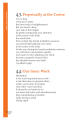
Pearls of Inner Wisdom
43.Perpetually at the Centre
I try to help
everyone to attain
the inner body of enlightenment.
But you need to keep
your side of the bargain
by gently maintaining your attent
In 'Pearls of Inner Wisdom,' the importance of maintaining attention at the center of the body is emphasized to achieve spiritual enlightenment. The text advises that cultivating this habit outside of

1
Tomorrow The World Will Change
Luang Phaw Dhammajayo was born in Singburi Province, Thailand in 1944. Backed with deep interests in Buddhism and meditation, he was ordained as a Buddhist monk at the age of 25 at Wat Paknam Bhasicha
Luang Phaw Dhammajayo, a prominent Buddhist monk from Thailand, advocates for world peace through inner peace and meditation. He emphasizes that true happiness is attainable and essential for achievin
14
Building a Trustworthy Family
involvement with this distrustful person. Good people will not
want to befriend dishonest people because they do not want to
gain a bad reputation through association.
So if a person in a family does
The text emphasizes that honesty and self-control are essential for a trustworthy family environment. Good people avoid associations with dishonesty. A family lacking truthfulness cultivates suspicion
14
Building Strong Family Foundations Through Truthfulness and Self-Control
involvement with this distrustful person. Good people will not want to befriend dishonest people because they do not want to gain a bad reputation through association.
So if a person in a family does
This text discusses the importance of truthfulness (sacca) and self-control (dama) in family dynamics and personal growth. It emphasizes that individuals with a lack of truthfulness can create distrus
62
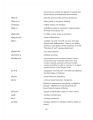
Understanding Buddhist Concepts: Key Terms and Definitions
phenomena; outside the sphere of natural law; supernatural (unexplainable phenomena)
อดิษฐาน past life; previous life; previous existence
อทินนนทาน taking what is not given; stealing
อทุกขมสุข neither
This text presents key Buddhist concepts such as 'อนัตตา' (non-self), emphasizing that there is no lasting essence, only the illusion of self that causes attachment. It discusses 'อนิจจตา' (impermanen
39
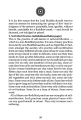
Understanding Self-Mortification in Buddhism
It is for this reason that the Lord Buddha should want to start his sermon by instructing the ‘group of five’ that indulgence of the senses is unsuitable, base, ignoble, without benefit, unsuitable fo
In this text, Lord Buddha teaches that indulgence of the senses is unsuitable for a Buddhist monk and should be avoided. The practice of self-mortification, common among non-Buddhist ascetics, include
237
Exploring Concepts of Buddhist Mythology
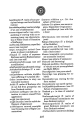
Asaññisatta (P. realm of non-per- ayatana nibbāṇa q.v. (lit. the recipient beings: see form Brahmā sphere of Nirvana realms) āsavakkhayañāṇa (see knowledge of an end of defilements) ayatana (lit. sphe
This text delves into intricate Buddhist concepts such as Asaññisatta, the realm of non-perception, and its relation to Nibbāṇa, highlighting essential terms like bhāvanā (development), and defilement
30
Untitled
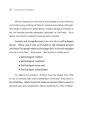
28 : Universal Goodness
Without bearing in mind the true purposes of one's clothing,
one tends to buy clothing articles on impulse and without thought.
One tends to follow the latest fashion trends i
No summary can be generated due to lack of content.
120
Understanding True Divinity and the Inner Self
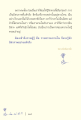
…ut in fact, we are not. It is still a rumor of ignorance and lack of knowledge.
**Must reach the inner self** which is the true nature, then will understand divinity genuinely.
**หลวงพ่อสัมมชโย**
…t emphasizes the importance of recognizing and understanding true divinity, which lies within one's inner self. It suggests that many misconceptions about divinity are rooted in ignorance. To grasp the true ess…
135
Understanding the Pathama Magga Sphere
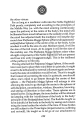
the other virtues.
For as long as a meditator cultivates the Noble Eightfold
Path purely, completely and according to the principles of
the Middle Way (i.e. with the mind entering continuously
upon th
This text delves into the Pathama Magga Sphere, an important concept in meditation that arises when the Noble Eightfold Path is fully realized. It explains how the mind can be liberated from external
83
Understanding Buddhist Perfections and Purpose
82
Glossary
1.The Perfections [paramita] are virtues such as generosity, self-
discipline, renunciation, wisdom, patience, perseverance, sincerity,
resolution, loving-kindness and equanimity. Pursuit
The text outlines key Buddhist concepts, primarily focusing on the Perfections (paramita) like generosity and wisdom, and the importance of a clear life purpose for meditators. It emphasizes the lifes